Sub-Total: $0.00
Background
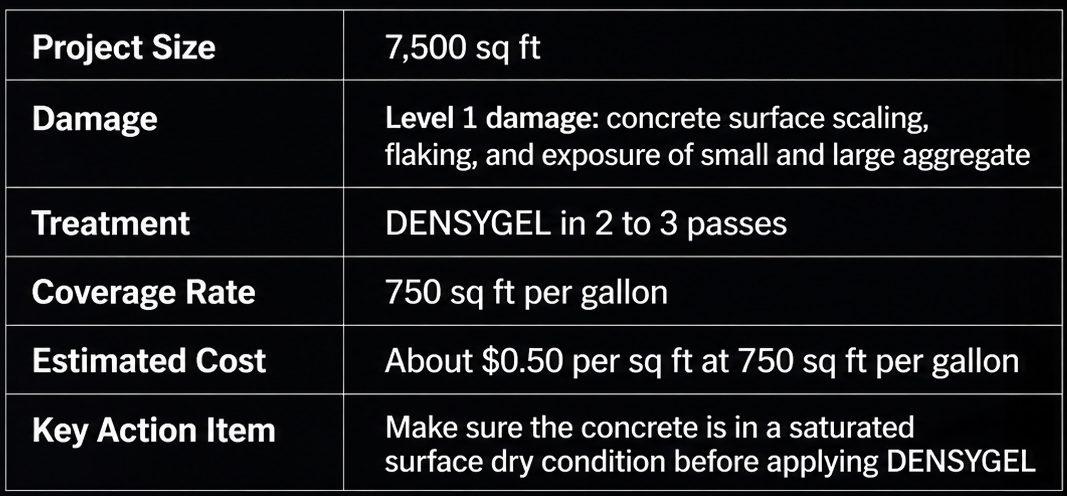
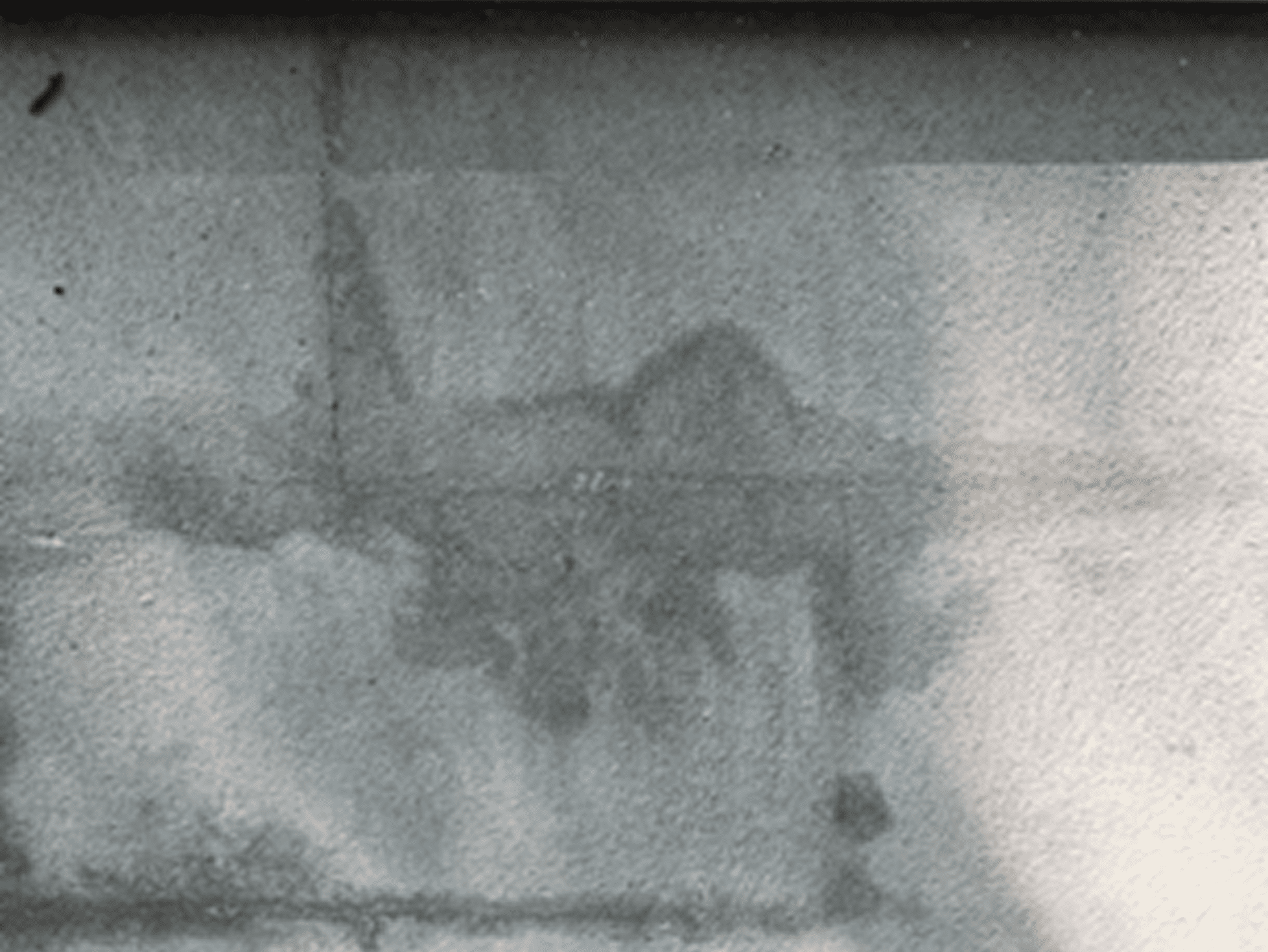
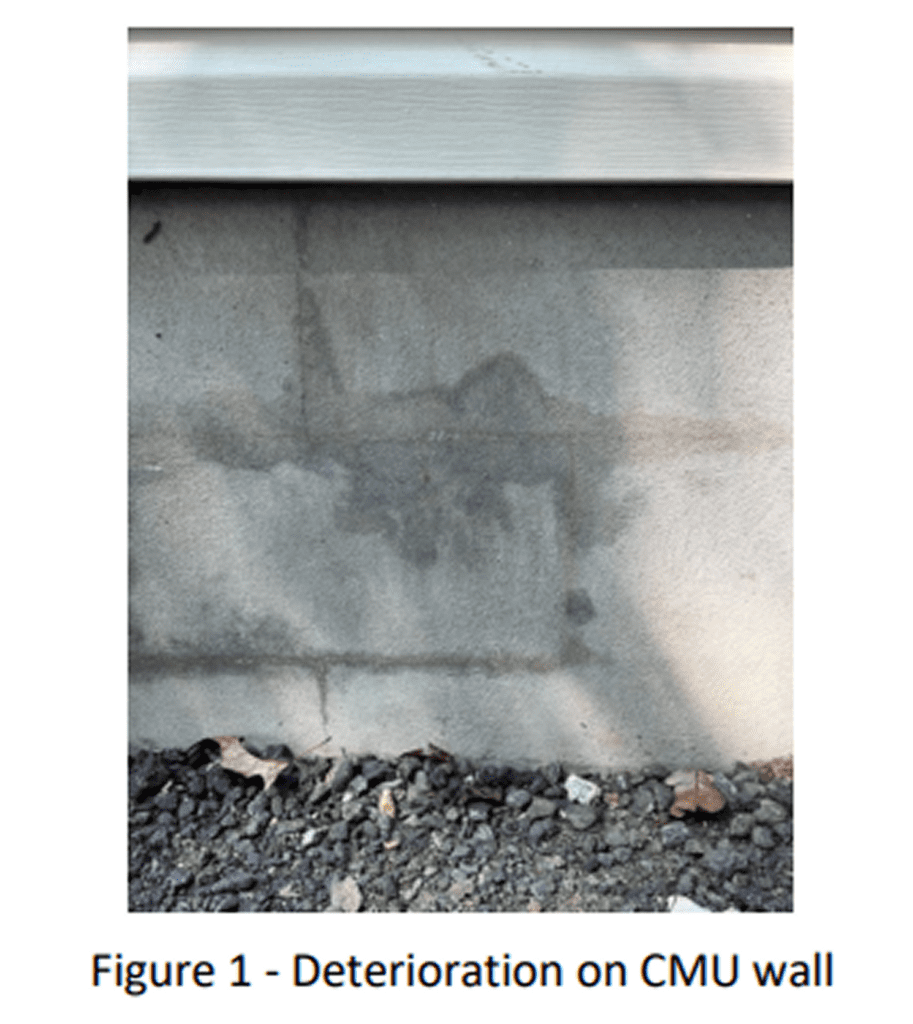
EDYSTON was utilized by a New Jersey Contractor to rejuvenate the CMU wall of a garage in Howell, NJ. The project will be a mutli-year study on the impact of the EDYSTON technologies in controlling the wicking action of concrete cracks on the deteriorated CMU wall. The CMU wall was placed in 2020 as the infrastructure for a mechanic shop. The cracks and deterioration along the wall are visible in Figure 1.
EDYSTON
EDYSTON is a dispersion of nano sized particles which consumes excess water and alkalis that reside in concrete pores and cracks and produces a denser concrete. EDYSTON is a spray on technology which creates a more homogenous and stable concrete structure that is less prone to excessive degradation from chemical and physical attack. This results in the decrease of water and alkalis to the surface as well as the decrease in harmful chemicals that are able to leach from the surface into the body of the concrete.
The concrete sections were pressure washed to clean off impurities and create a saturated surface-dry (SSD) conditions. The concrete was tested for water absorption before the EDYSTON hydrogel was applied. The hydrogel technology was placed in 2- to 4-sections of the concrete utilizing the method described:
- SSD the Surface of Cleaned Concrete
- Apply EDYSTON no more than 10-min after the SSD has been reached
Results
After three and a half hours, RILEM testing was performed on the treated and untreated areas, Figure 2.
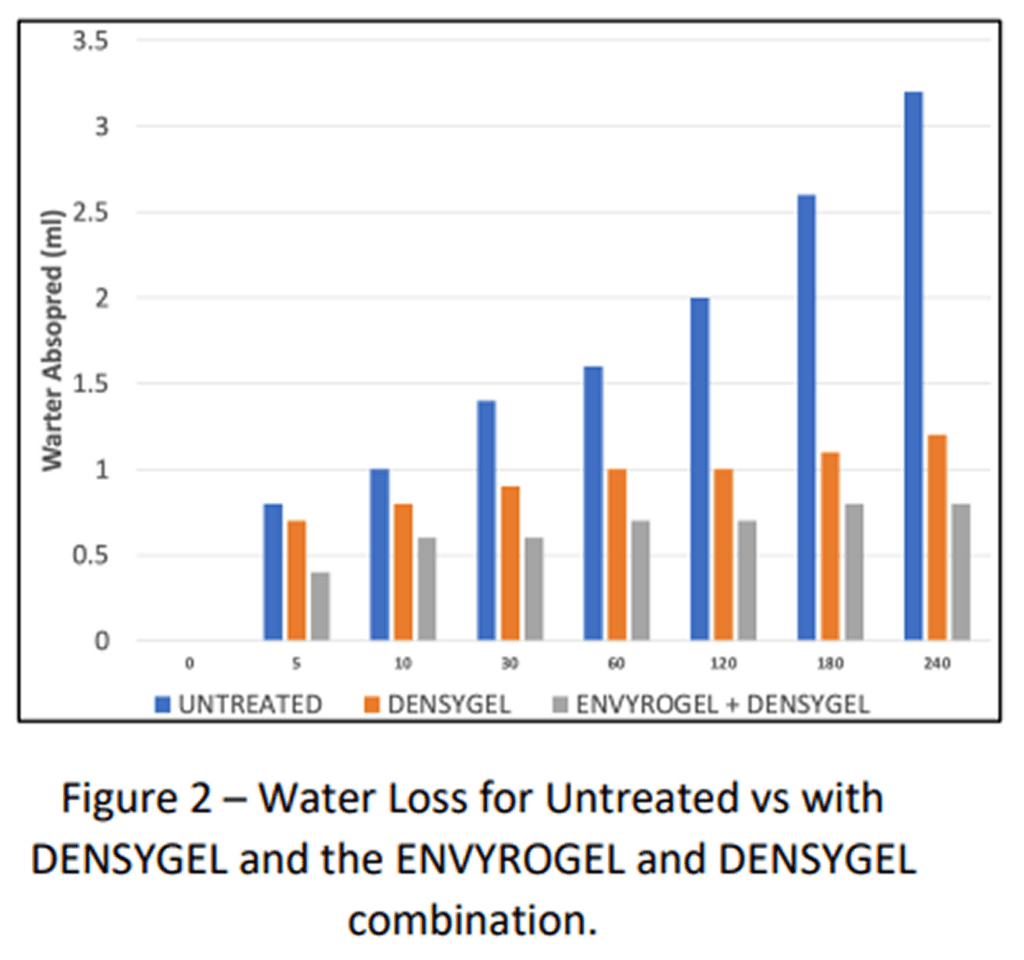
These initial results indicate that the DENSYGEL hydrogel controls the wicking action of water and can be used to slow future deterioration of cracks within the concrete of the CMUs in the cracked sections as well as the sections that had been treated without cracks. The combined data from the field trials will be used to create a cost- and service-life analysis to present value-added performance of the hydrogel technology.
Tags: