Sub-Total: $0.00

Introduction
This case study examines a concrete overlay that experienced early-age deterioration following a mechanical grooving process. The grooving, intended to enhance surface texture, inadvertently compromised the integrity of the overlay, leading to premature wear and degradation. In response to this issue, EDYSTON, a colloidal silica-based topical agent, was deployed to restore and protect the affected concrete. This case study highlights the impact of the colloidal silica in fortifying concrete surfaces that have suffered from mechanical damage during early stages of their life cycle.
Intelligent Concrete, LLC is pleased to present this report of our evaluation and observations performed on two sets of concrete cores that were shipped to our laboratory under chain of custody. The cores submitted for evaluation and observations are from two different overlay and concrete substrate decks – a conventional system (REFERENCE, REF) and the system with EDYSTON (DENSYGEL) applied between the substrate and overlay and on top of the groove concrete.
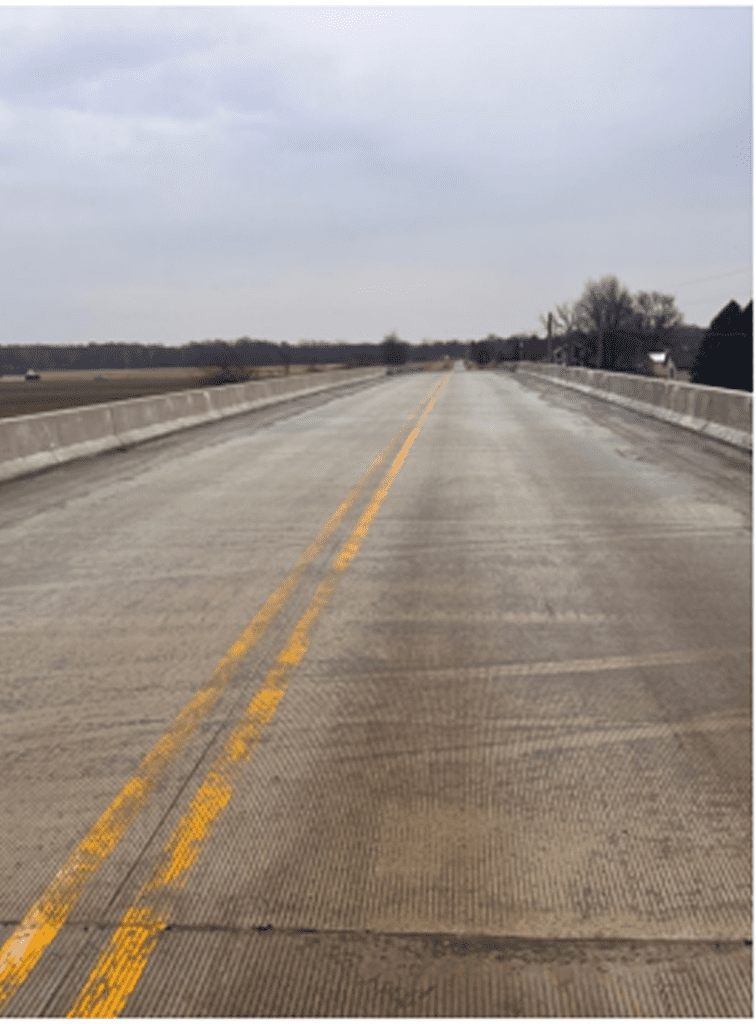
Figure 1 – Topical addition of EDYSTON after grooving
Cores and Methods
The concrete cores submitted for evaluation and observation:
| Core Number | Laboratory ID | Description of the Core |
|---|---|---|
| SR9 | REFERENCE | From the Concrete Overlay Prepped and Grooved without DENSYGEL |
| 9 | DENSYGEL | From the Concrete Overlay Prepped and Grooved with DENSYGEL |
Evaluation Types and Results
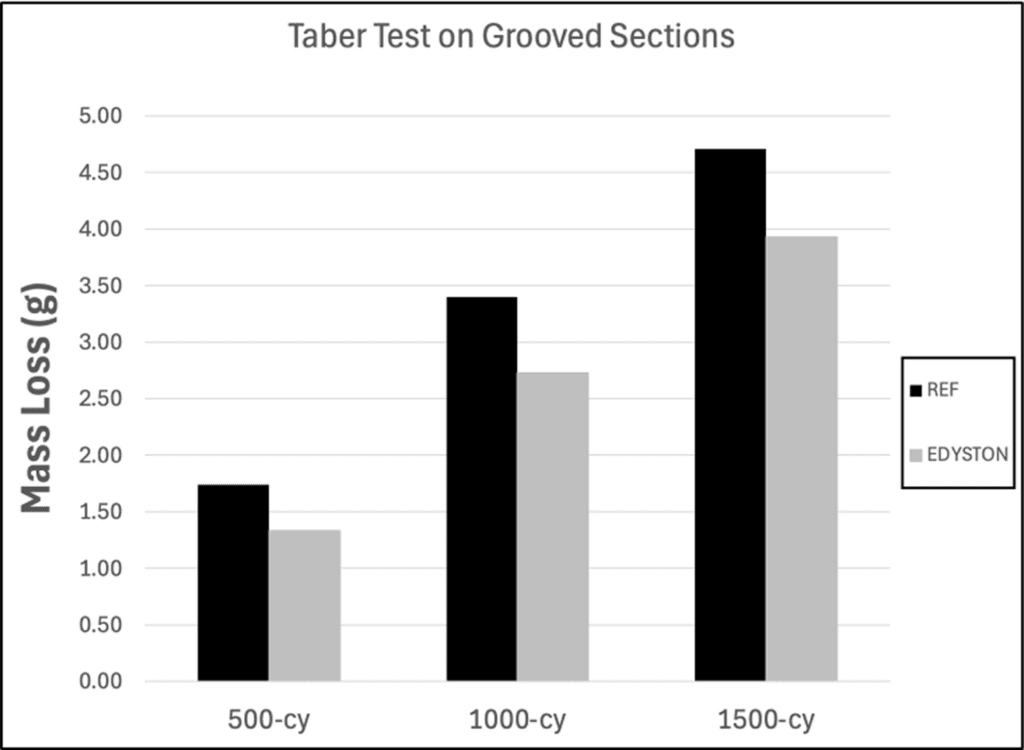
ASTM C 1803 was used to focus on abrasion resistance, which is vital for overlays subjected to high levels of wear and tear. By subjecting the overlay to controlled abrasive forces, this test measures its ability to withstand abrasion under a constant load and helps determine its suitability for prolonged usage in an aggressive environment. The application of the DENSYGEL after grooving reduced mass loss from abrasive wear by over 15% as shown in Figure 2.
Figure 2 – Taber Abrasion, Mass Loss
REFERENCE
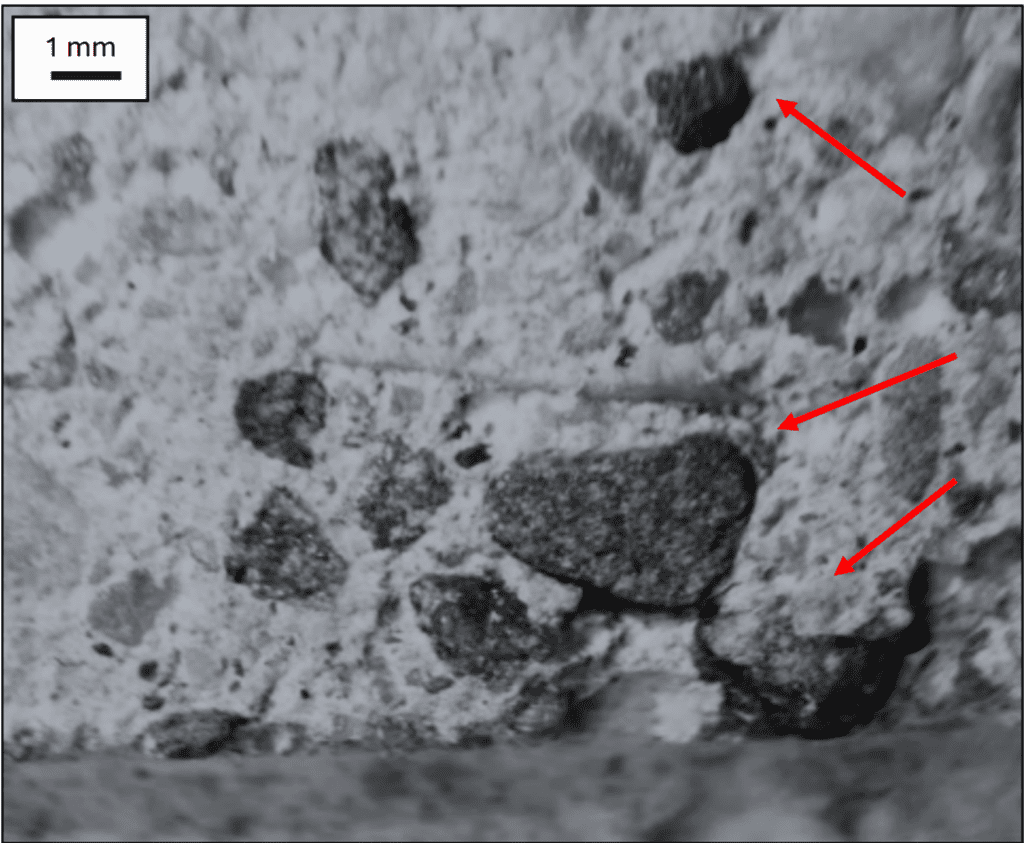
For the REFERENCE sample, the visible separation of the aggregate from the cement paste after grooving the concrete is a clear indication of poor response of the concrete surface to abrasion resistance, Figure 3. This separation suggests that the bond between the aggregate and the cement matrix is insufficient to withstand the mechanical stresses introduced during the grooving process. In addition to the exposed condition of the aggregate the cement paste is visibly worn down.
Once the paste erodes to such a degree that the aggregate is nearly detached, the structural integrity of the concrete surface is compromised. The aggregate, which contributes to the wear resistance of the concrete, is no longer effectively held in place, resulting in a surface that can rapidly degrade under further stress.
Figure 3 – Interface of Overlay Prepped and Grooved WITHOUT EDYSTON
EDYSTON
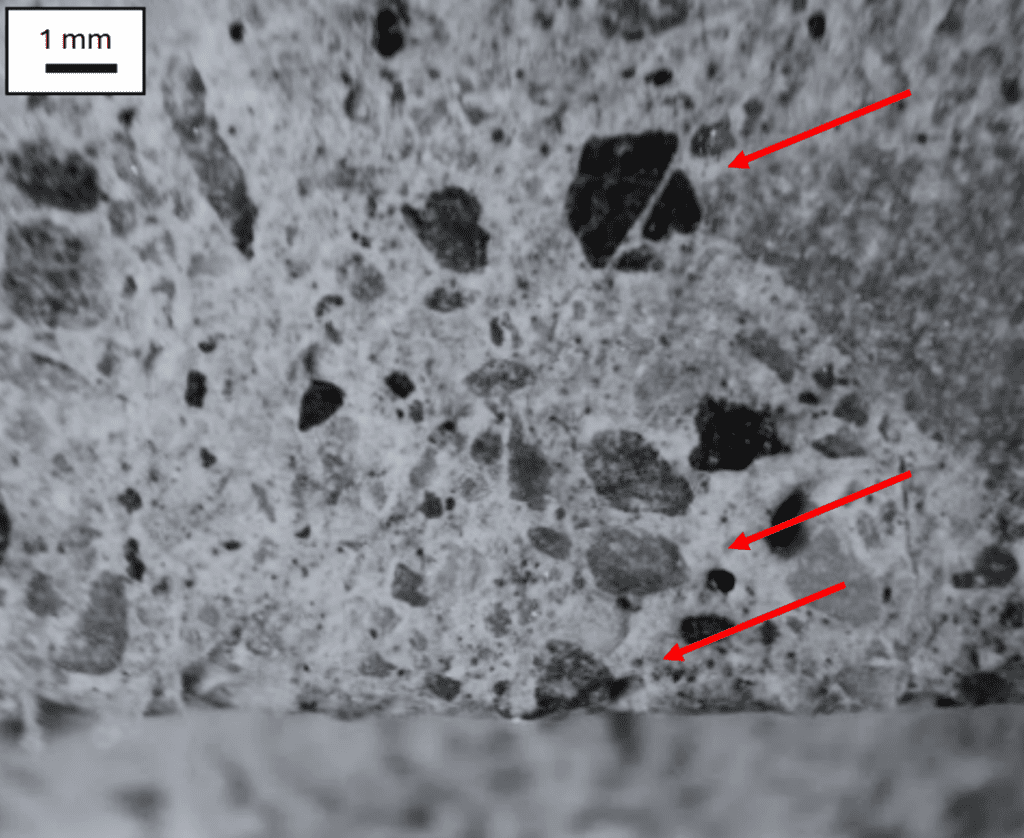
In contrast, the samples treated with DENSYGEL, Figure 4, exhibit no separation between the aggregate and the cement paste, showcasing a significant improvement in the concrete surface response to abrasive wear.
The surface remains smooth and uniform, with the aggregate securely embedded within the cement matrix. This indicates a superior bond between the paste and the aggregate, preventing detachment even under mechanical stresses. The enhanced integration achieved with DENSYGEL ensures that the aggregate remains effectively anchored, maintaining the structural integrity and wear resistance of the concrete surface. This smooth and cohesive finish demonstrates the efficacy of DENSYGEL in improving durability and extending the lifespan of concrete surfaces, subjected to heavy wear and tear.
Figure 4 – Interface of Overlay Prepped and Grooved WITH EDYSTON
Conclusion
The evaluation of the concrete overlay systems strongly demonstrates the impactful benefits of incorporating DENSYGEL into the interfacial application process. Results abrasion resistance tests under ASTM C 1803 showed a reduction in mass loss from abrasive wear by more than 15%.
Additionally, the microscopic evaluation highlights the distinct differences in performance between the untreated REFERENCE samples and those treated with DENSYGEL. While the reference samples exhibit signs of poor bonding, surface irregularities, and reduced abrasion resistance, the DENSYGEL-treated samples demonstrate remarkable improvements in all these aspects. The enhanced bond between the aggregate and cement paste in the DENSYGEL-treated samples ensures a uniform, durable surface capable of withstanding mechanical stresses.
These findings underscore the effectiveness of DENSYGEL in improving the concrete surface response to wear resistance, and overall durability of concrete surfaces, reinforcing its value as a reliable solution for concrete repair and grooving applications.
Tags: